Label the Image to Review the Primary Physical and Chemical Defense Barriers in the Human Body
Natural barriers include the skin, mucous membranes, tears, earwax, mucus, and stomach acrid. Besides, the normal menstruum of urine washes out microorganisms that enter the urinary tract.
Mucous membranes, such as the lining of the mouth, nose, and eyelids, are likewise effective barriers. Typically, mucous membranes are coated with secretions that fight microorganisms. For example, the mucous membranes of the eyes are bathed in tears, which incorporate an enzyme called lysozyme that attacks bacteria and helps protect the eyes from infection.
The digestive tract Overview of the Digestive System The digestive arrangement, which extends from the oral fissure to the anus, is responsible for receiving food, breaking it downward into nutrients (a procedure chosen digestion), absorbing the nutrients into... read more has a serial of effective barriers, including stomach acid Tummy The stomach is a large, bean-shaped, hollow muscular organ consisting of three regions: Cardia Body (fundus) Antrum (See besides Overview of the Digestive System.) read more , pancreatic enzymes Pancreas The pancreas is an organ that contains 2 types of glandular tissue: Pancreatic acini Islets of Langerhans (See likewise Overview of the Digestive System.) The acini produce digestive enzymes.... read more 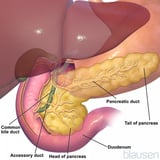 , bile Gallbladder and Biliary Tract The gallbladder is a small-scale, pear-shaped, muscular storage sac that holds bile and is interconnected to the liver by ducts known equally the biliary tract. (See also Overview of the Liver and Gallbladder... read more than
 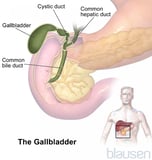 , and abdominal secretions. These substances tin kill leaner or prevent them from multiplying. The contractions of the intestine (peristalsis, which moves contents of the bowel through the digestive tract), and the normal shedding of cells lining the intestine assist remove harmful microorganisms.
The urinary tract Overview of the Urinary Tract Ordinarily, a person has two kidneys. The balance of the urinary tract consists of the following: 2 ureters (the tubes connecting each kidney to the bladder) The bladder (an expandable muscular... read more also has several constructive barriers. The float is protected past the urethra Urethra The urethra is a tube that drains urine from the float out of the torso. In men, the urethra is about 8 inches (20 centimeters) long, ending at the tip of the penis. In women, the urethra is... read more 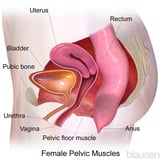 , the tube that drains urine from the body. In males, the urethra is long plenty that bacteria are seldom able to laissez passer through it to reach the bladder, unless the bacteria are unintentionally placed there by catheters or surgical instruments. In females, the urethra is shorter, occasionally allowing external bacteria to pass into the bladder. In both sexes, when the bladder empties, it flushes out any bacteria that reach it.
Any injury, including an invasion by microorganisms, causes inflammation in the affected area. Inflammation, a complex reaction, results from many different conditions. The damaged tissue releases substances that cause inflammation and that direct the immune system to practise the following:
-
Wall off the area
-
Assail and kill any invaders
-
Dispose of dead and damaged tissue
-
Begin the process of repair
However, inflammation may not be able to overcome large numbers of microorganisms.
During inflammation, the blood supply increases, helping carry immune cells to the affected area. Because of the increased claret flow, an infected area near the surface of the body becomes cherry and warm. The walls of blood vessels become more than porous, assuasive fluid and white blood cells to pass into the affected tissue. The increment in fluid causes the inflamed tissue to nifty. The white claret cells attack the invading microorganisms and release substances that keep the process of inflammation.
Other substances trigger clotting in the tiny vessels (capillaries) in the inflamed area, which delays the spread of the infecting microorganisms and their toxins.
Many of the substances produced during inflammation stimulate the nerves, causing pain. Reactions to the substances released during inflammation include the chills, fever, and muscle aches that commonly back-trail infection.
-
Killer T cells T cells
 (a type of white blood cell) that can recognize and kill the invading microorganism
Antibodies attach to and immobilize microorganisms. They kill them outright or assistance neutrophils target and kill them.
How well the allowed system defends the body against each microorganism depends partly on a person's genetic make-up.
A part of the brain called the hypothalamus controls body temperature. Fever results from an actual resetting of the hypothalamus's thermostat. The trunk raises its temperature to a college level by moving (shunting) claret from the peel surface to the interior of the body, thus reducing heat loss. Shivering (chills) may occur to increase heat production through muscle wrinkle. The body'south efforts to conserve and produce heat continue until claret reaches the hypothalamus at the new, higher temperature. The new, higher temperature is then maintained. Later, when the thermostat is reset to its normal level, the trunk eliminates excess heat through sweating and shunting of blood to the skin.
Certain people (such as alcoholics, the very old, and the very young) are less able to generate a fever. These people may experience a drop in temperature in response to severe infection.
Source: https://www.msdmanuals.com/home/infections/biology-of-infectious-disease/defenses-against-infection
0 Response to "Label the Image to Review the Primary Physical and Chemical Defense Barriers in the Human Body"
Post a Comment